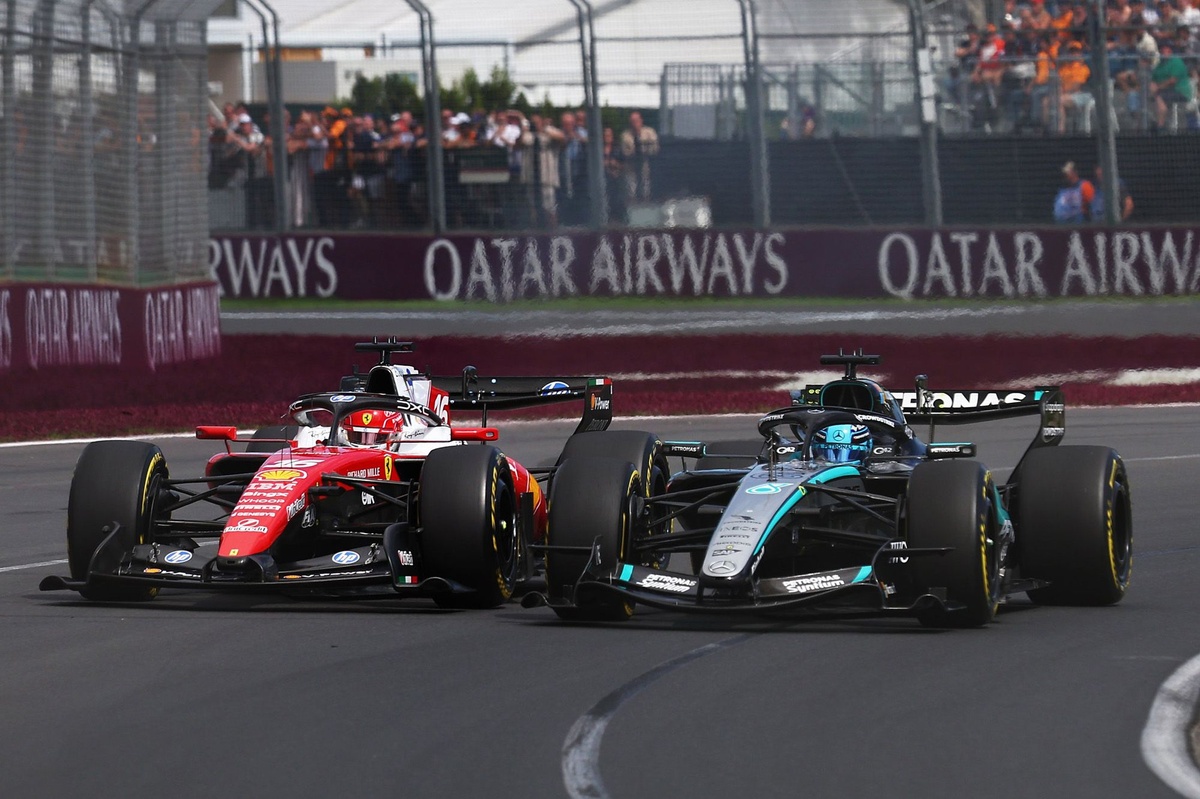
Mercedes has confirmed a significant step forward in their F1 2026 project, demonstrating an advantage that extends beyond just the engine. During the recent Melbourne race, the W17 showcased performance improvements that are not solely reliant on engine power but also involve more effective hybrid systems and overall vehicle design.
The team has been focusing on integrating advanced hybrid technology, which plays a crucial role in enhancing power delivery and efficiency. This development allows Mercedes to optimize energy recovery and deployment, giving them a strategic advantage on the track. The improvements are evident in the car's handling, aerodynamics, and overall balance, contributing to better lap times and race consistency.
Experts suggest that Mercedes' approach involves a holistic upgrade to their F1 car, emphasizing not just power units but also chassis dynamics and hybrid integration. This comprehensive strategy enables the team to adapt more effectively to varying track conditions and race scenarios, providing a competitive edge over rivals who may still be focusing primarily on engine performance.
Furthermore, Mercedes' advancements are expected to influence their overall race strategy, allowing for more flexible and aggressive tactics. The team's engineering team has worked tirelessly to refine the hybrid systems, ensuring they deliver maximum performance without compromising reliability. This balanced approach is crucial in the highly competitive environment of Formula 1, where marginal gains can determine race outcomes.
As the season progresses, all eyes will be on Mercedes to see if these technological and strategic advantages translate into consistent race wins and championship contention. Their focus on a multi-faceted development approach underscores their commitment to maintaining their competitive edge in the evolving landscape of Formula 1.